
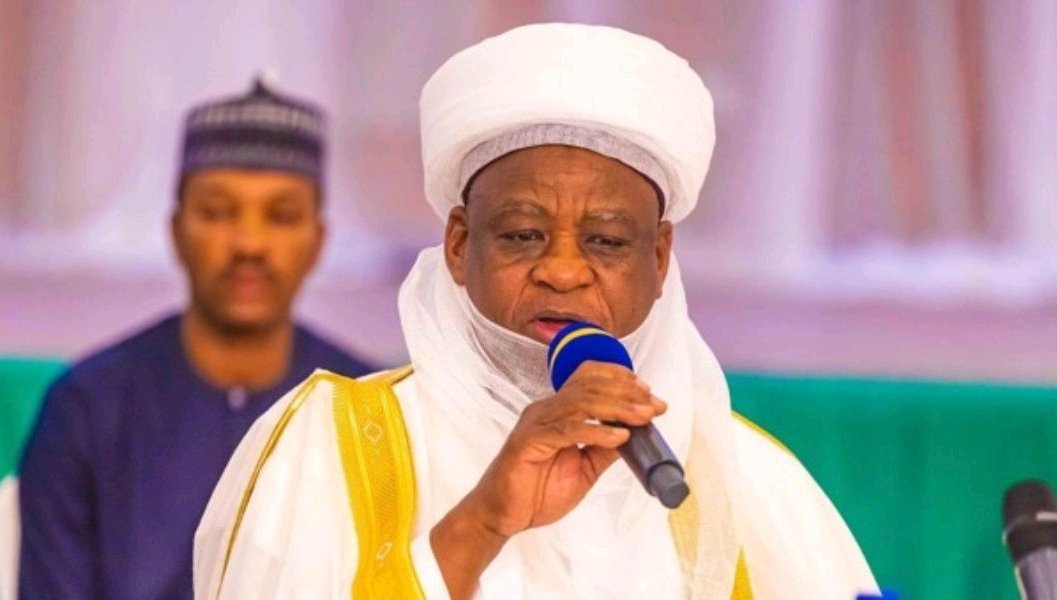
The Nigerian Supreme Council for Islamic Affairs (NSCIA) has asserted that Islam has existed in Igboland for generations, condemning attempts to portray Muslims in Nigeria’s South-East as outsiders.
According to a report by Arise News on Thursday, October 8, 2026, the council made the position known in a communiqué issued after its General Assembly in Abuja, where it discussed issues relating to Nigerian Muslims, national security and nation-building.
The communiqué was signed by the NSCIA President-General and Sultan of Sokoto, Alhaji Muhammad Sa’ad Abubakar, and its Secretary-General, Professor Is-haq Oloyede.
NSCIA Rejects Portrayal of Muslims as Outsiders
In the communiqué, the council condemned efforts by individuals or groups to deny the longstanding presence of Muslims in Igboland.
The NSCIA argued that portraying Muslims as outsiders in the South-East could undermine recognition of their place in the region and contribute to hostility against them.
The council maintained that Nigerians should enjoy protection and recognition regardless of their religious identity, linking religious inclusion to broader concerns about national unity and security.
Its position places renewed attention on the presence of Muslim communities in the South-East and the importance of protecting the rights of religious minorities.
Council Calls for Respect for Hijab Rights
The NSCIA also called on government institutions and relevant authorities to respect the rights of Muslim women who choose to wear the hijab in educational institutions, workplaces and public service.
The council specifically mentioned female students, female members of the National Youth Service Corps (NYSC), women serving in security agencies and Muslim women employed in other establishments.
It described the wearing of the hijab as a fundamental human right and urged authorities to respect the religious choices of Muslim women.
NSCIA Reaffirms Freedom of Religion
On religious conduct, the council reaffirmed that Islam prohibits compulsion in matters of faith and that Muslims should not force other people to adopt their religion.
It also urged Muslim scholars to avoid publicly attacking one another, recommending that disagreements be addressed through appropriate internal mechanisms.
According to the communiqué, resolving differences responsibly could help prevent divisions within the Muslim community.
Warning Against Religious Hatred and Misinformation
The council further cautioned against the misuse of religious teachings to promote hatred, violence or attacks against people with different beliefs.
It encouraged Muslims to verify information before sharing claims that could damage the reputations of individuals or community leaders.
The NSCIA's message linked responsible religious engagement with the need to strengthen peaceful coexistence across Nigeria's diverse communities.
Religious Inclusion and National Unity
The communiqué highlighted religious freedom, the recognition of Muslim communities and the protection of individual rights as important issues in Nigeria's nation-building efforts.
By reaffirming its position on Islam's historical presence in Igboland, the council called for an environment in which people can practise their faith without discrimination or hostility.
The statement also underscored the importance of dialogue, respect for differing beliefs and responsible public discourse in maintaining peaceful relations among Nigeria's religious communities.


0 comment
Leave a comment