
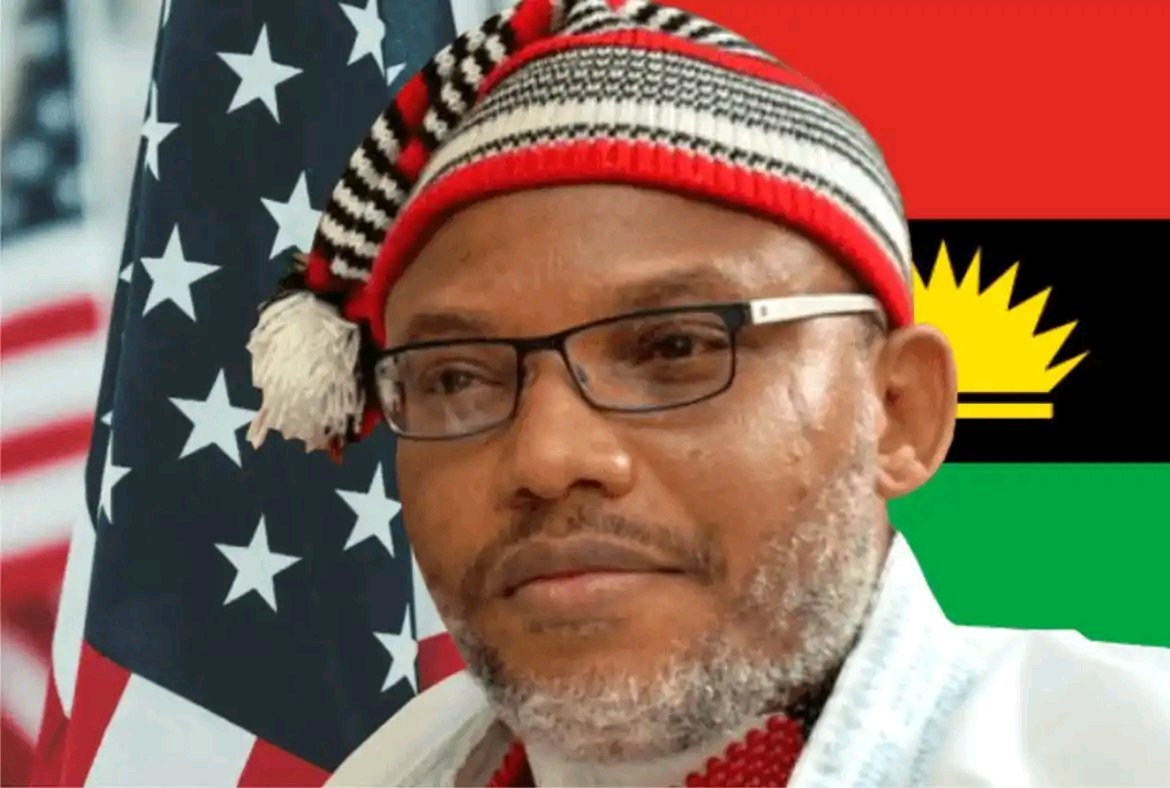
Human rights activist and former presidential candidate Omoyele Sowore has criticised Nigerian authorities over the transfer of Indigenous People of Biafra (IPOB) leader Nnamdi Kanu to a correctional facility in Sokoto State.
Speaking on October 19, 2026, Sowore questioned why Kanu was moved to the North-Western state despite the availability of custodial facilities in other parts of Nigeria. He also described Kanu’s court experience as an ambush, expressing dissatisfaction with the legal process that led to his imprisonment.
“Nnamdi Kanu was not tried. He was ambushed in a courtroom, and sent to prison,” Sowore said.
The activist further alleged that the decision to move Kanu to Sokoto was intended to satisfy political or regional interests opposed to the IPOB leader’s agitation for Biafra.
“Guess what? The next day, they took him to Sokoto prison, to please their masters there. There are prisons all over this country,” he said, citing Okitipupa Correctional Centre in Ondo State as an alternative.
Sowore’s allegation about the authorities’ motives has not been independently established.
Why Was Nnamdi Kanu Transferred to Sokoto?
According to reports on the case, Kanu was convicted by the Federal High Court in Abuja on November 20, 2025, on terrorism-related charges and received life imprisonment on some counts, alongside additional prison terms on others.
The trial judge, Justice James Omotosho, reportedly directed that Kanu be held in a suitable custodial facility anywhere in the country, excluding Kuje Correctional Centre in Abuja. Security considerations, including the history of a jailbreak in the capital, were cited in connection with the placement.
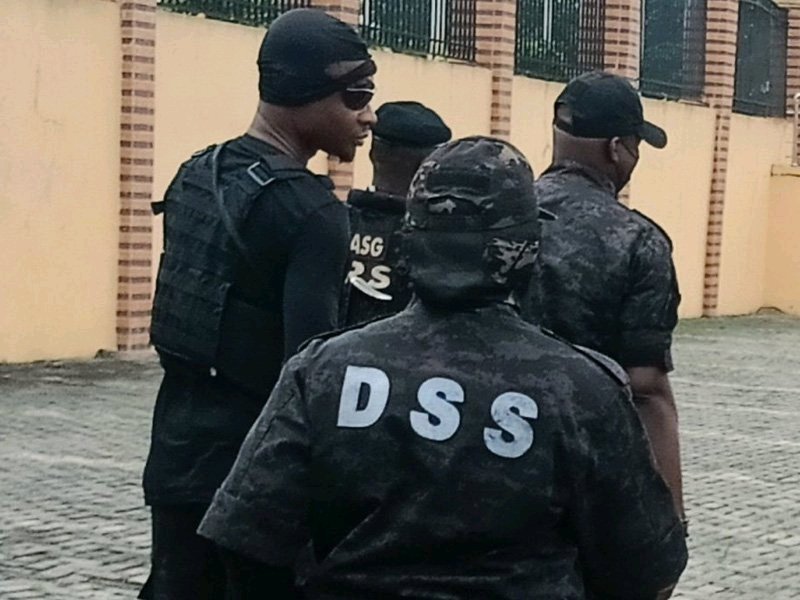
The Department of State Services subsequently transferred Kanu from its Abuja facility to Sokoto Correctional Centre on November 21, 2025.
The decision attracted criticism from some of Kanu’s associates and former lawyer, Aloy Ejimakor, who questioned the implications of holding him far from his legal representatives, family and supporters.
Court Rejected an Initial Transfer Application
The question of Kanu’s detention location returned to court in January 2026.
On January 27, the Federal High Court in Abuja reportedly struck out an application seeking his transfer from Sokoto to a custodial facility closer to the Federal Capital Territory.
The application was struck out on procedural grounds after a representative of the Legal Aid Council withdrew from the matter, with the court identifying deficiencies in the application process.
The decision left Kanu at the Sokoto facility while his legal challenges continued.
Sowore Questions the Choice of Detention Facility
Sowore argued that the availability of correctional facilities elsewhere in Nigeria made the choice of Sokoto worthy of scrutiny. He specifically mentioned Okitipupa in Ondo State, asking why the authorities selected a facility so far from Kanu’s lawyers and relatives.
His description of the proceedings as an ambush reflects his criticism of the case and should be distinguished from the court’s formal judgment. Similarly, his claim that the transfer was intended to please political or regional interests remains an allegation rather than an established finding.
The publicly reported explanation for Kanu’s placement in Sokoto centred on the court’s direction regarding secure custody. The available account does not establish that the transfer was ordered to satisfy political opponents.
Nnamdi Kanu’s Legal Battle Remains Contentious
Kanu’s case continues to generate debate over national security, separatist agitation, due process and the rights of defendants facing terrorism-related charges.
The IPOB leader was first arrested in 2015 and returned to Nigeria from Kenya in 2021. His prosecution, conviction and detention have remained major political and legal issues, particularly in the South-East, where his campaign for Biafra has attracted both support and controversy.
Sowore’s latest comments have renewed attention on the location of Kanu’s detention, the distance separating him from his legal and family support networks, and the circumstances surrounding his transfer.
As legal challenges continue, questions about access to legal representation, custodial arrangements and the fairness of the proceedings are likely to remain part of the wider public debate.
ERIBS Media will continue to follow developments in Nnamdi Kanu’s case and report on verified updates from the courts and relevant authorities.
Sowore Accuses Authorities of Sending Nnamdi Kanu to Sokoto to ‘Please Their Masters’
More News


0 comment
Leave a comment